

Products · Interceptor · Available to order
INT-3
Iron Shield's AI-powered interceptor, a shield over the sky. Its Pixel-Lock system fuses external radar cueing, computer-vision target detection, and TG autopilot to detect, lock, and stop attack drones before they reach the people, positions, and infrastructure they are aimed at, Shahed-type one-way attackers and FPV threats alike. It switches frequency bands and video channels in flight, runs a dual control link with automatic band selection, and closes at up to 330 km/h to stop the threat by inertial impact.
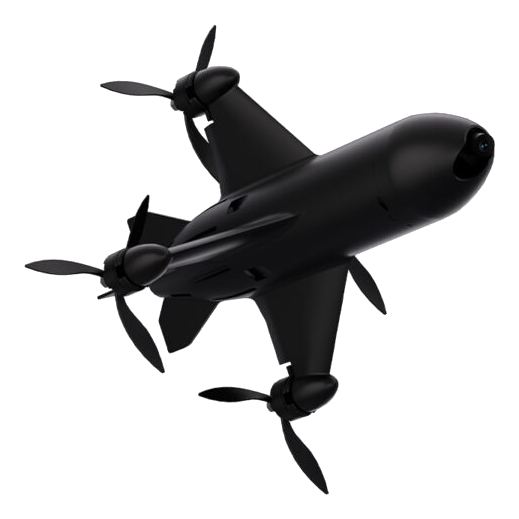
Datasheet
Full specification
- AI Pixel-Lock target lock
- External radar cueing
- Computer-vision detection
- TG autopilot functionality
- In-flight band & channel switching
- Dual control link, auto band select
Flight profile
Search, close, intercept.
Three flight modes: a search pattern to find the threat, a cruise to close on it, and a full-throttle terminal dash to stop it in the air. Digital or analog video, with dual control links on separate frequency bands.
INT-3 Family
Configurations
One protective doctrine across mission-matched airframes, a common sensor-tipped interceptor body that deploys from a man-portable launch unit or flies itself onto the threat on tilt-rotor or quad power. The same AI Pixel-Lock autonomy core in every one.
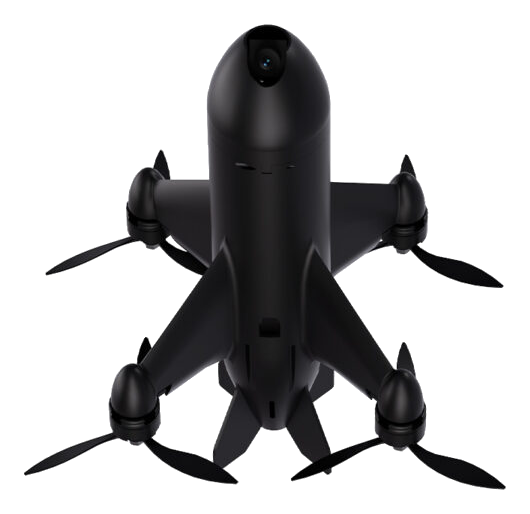
Operator-Launched
The interceptor deploys from a man-portable launch unit carried by the individual operator, a rapid, GPS-independent answer to low, slow, small threats.
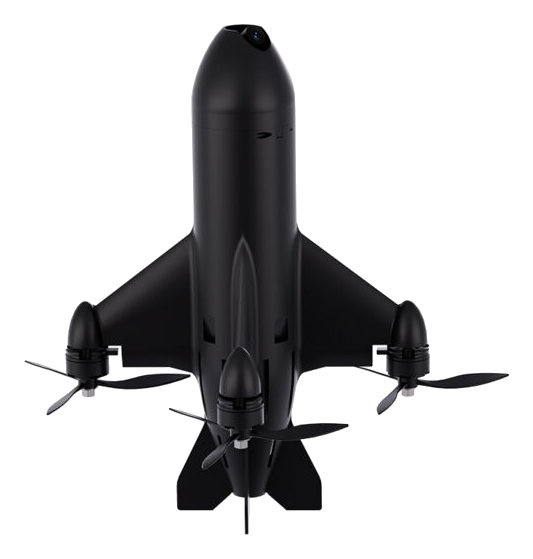
Tilt-Rotor VTOL
Tilting ducted fans lift the interceptor vertically, then rotate to a high-speed dash, the fastest closing profile in the family.
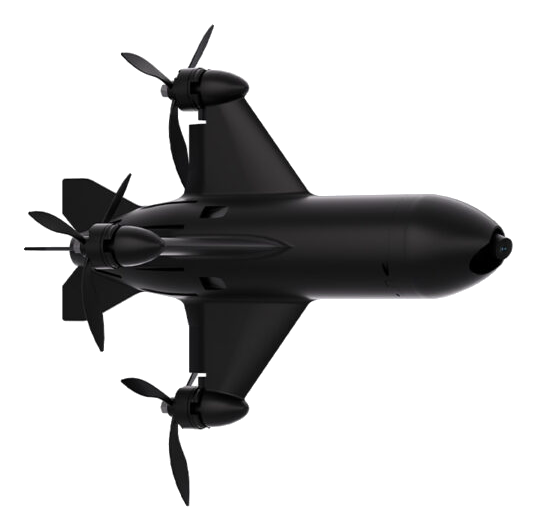
Quad-Rotor
A four-rotor configuration built to answer mass with mass, high-volume, low-cost swarming defense holding a hard lock through terminal approach.
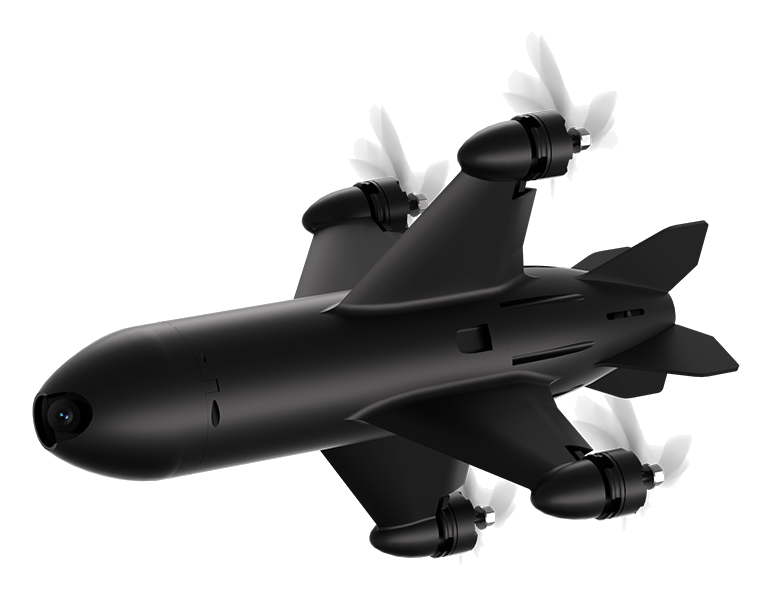
Interceptor Airframe
The common interceptor body every configuration is built around: ducted-fan propulsion, control surfaces, and a nose-mounted electro-optical sensor.
Intercept Control System
Operator, optics, and interceptor: one loop.
Video streaming to the operator's headset, an AI track-lock reticle, man-portable launch support, and a manual-control fallback: the complete operator-in-the-loop intercept system.