

Products · Interceptor · Next generation · Available to order
INT-6
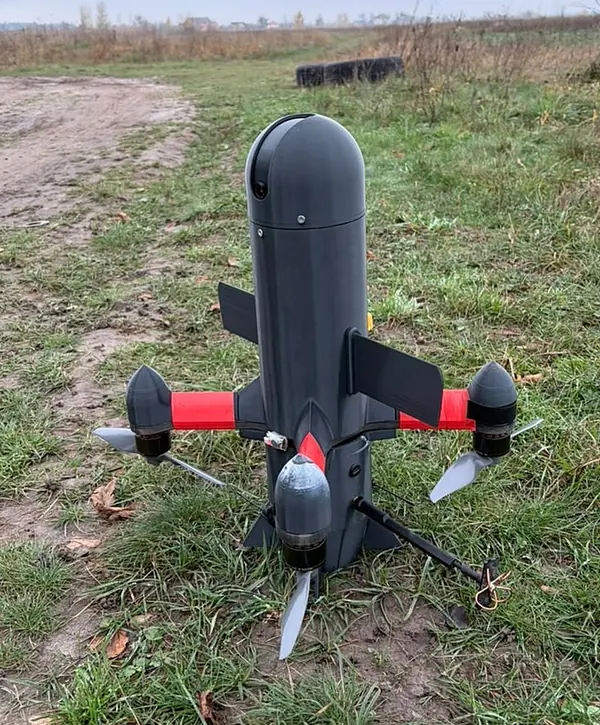
The next generation of the interceptor line and Iron Shield’s own design. INT-6 lifts off vertically with no launcher or rail, takes the target track from a 3D radar through command and control, and flies the intercept autonomously at up to 450 km/h. The operator stops flying the drone and starts commanding the engagement: a qualified operator authorizes every engagement and can take manual control at any stage.
Next generation
Radar. Track. Stop.
INT-6 is the next evolution of INT-5, the base of the line. It adds radar and command and control integration, day and thermal sensors and electric vertical take-off, so that one operator can command several radar-fed intercepts at once instead of flying each sortie by hand.
Detection comes from the customer’s own 3D radar. INT-6 converts that radar track into an intercept: it receives the target as live telemetry over the secure data link and corrects its course as the track moves.
Radar and C2 integration
Connects through C++ and Python interfaces, configured and calibrated for each customer’s radar and command network.
Autonomous intercept
Flies the radar-fed intercept on its own on live target telemetry, at up to 450 km/h.
Several engagements, one station
Up to four simultaneous engagements from one ground control station, after calibration.
Day and night terminal lock
Onboard auto-lock on the thermal channel holds the target through the terminal phase, day or night.
Operator in command
A qualified operator authorizes every engagement and can take manual control or abort at any stage.
Radar to intercept
From radar track to intercept, autonomously.
With radar and C2 connected, INT-6 becomes an autonomous interceptor: the radar finds the target, the data link carries the track and the airframe flies itself to it.
Detect
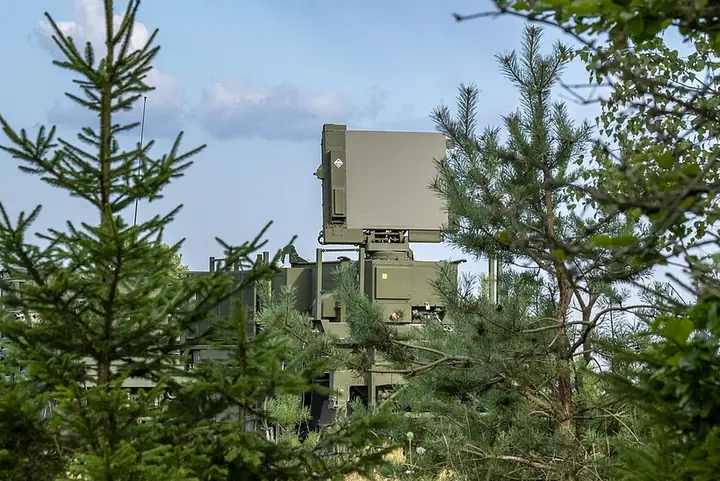
The customer’s 3D radar detects the threat and builds its track: position, altitude, heading and speed, updated continuously.
3D radar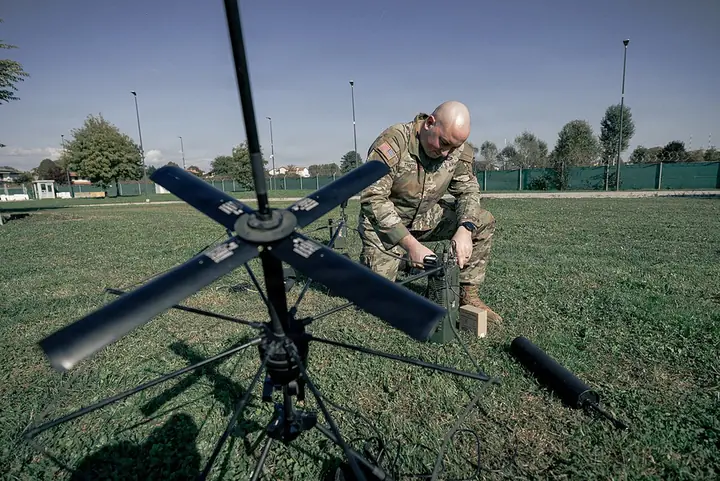
Hand off
Command and control assigns the track to an INT-6 and streams the target telemetry to it over the secure data link.
C2 to INT-6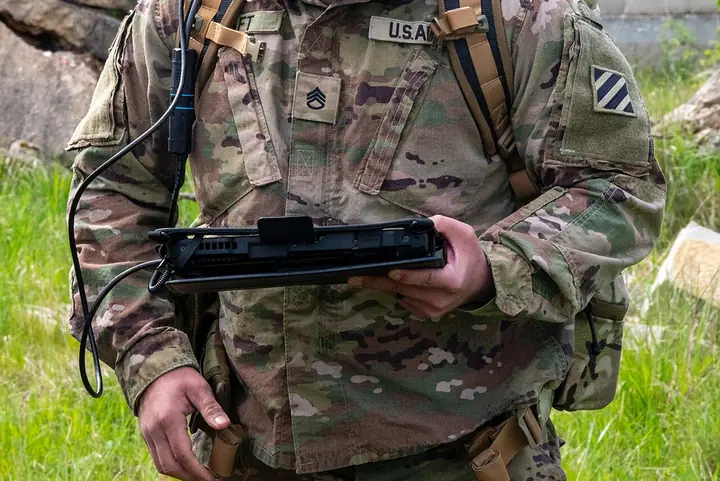
Authorize
A qualified operator authorizes the engagement at the ground control station. One station runs up to four at once.
Operator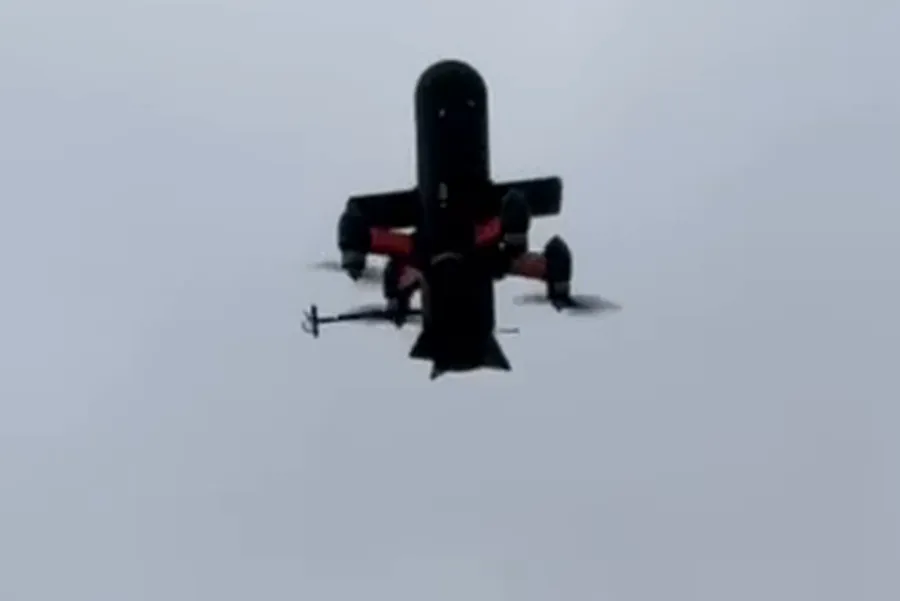
Fly the track
INT-6 lifts off vertically and flies the radar-fed intercept on its own, correcting as the track moves, at up to 450 km/h.
Autonomous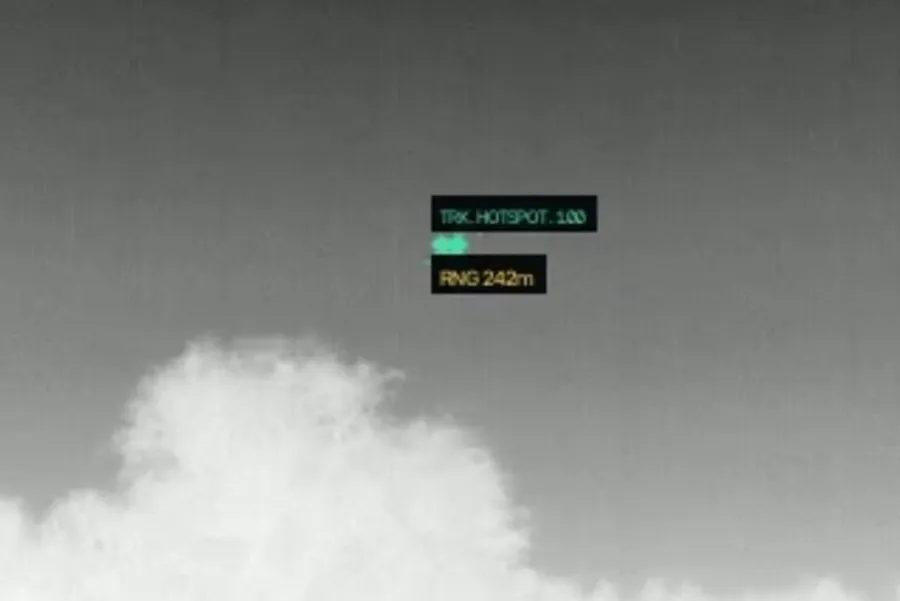
Lock and stop
Onboard thermal auto-lock takes the terminal phase and holds the target, day or night, until the threat is stopped.
Thermal auto-lock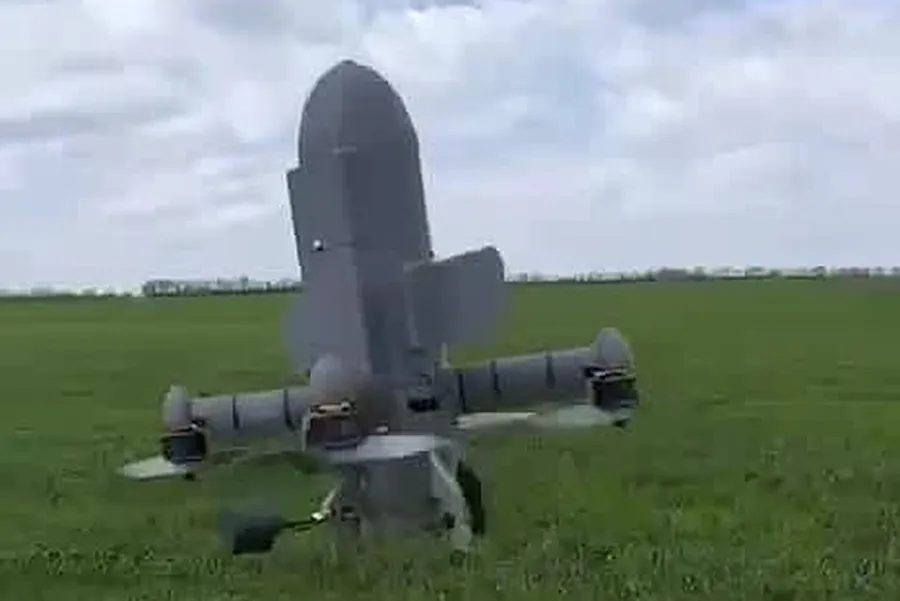
Human authority
The operator can take manual control or abort at any stage. Integration is configured and calibrated for each customer’s radar and C2 network.
Operator in commandSteps 01 to 03: representative U.S. Army photographs, public domain (Capt. Leara Shumate, Capt. Jennifer French, Spc. Hunter Carpenter), of third-party equipment, not Iron Shield products; no DoD endorsement implied. Steps 04 to 06: Iron Shield INT-6 test video stills.
Field and flight test
The same airframe, in the air.
The current INT-6 build on test: the onboard thermal view holding an aerial target in auto-lock mode, on open ground before launch, lifting off vertically with no launcher, and in flight. Photographs and video stills are Iron Shield’s own.
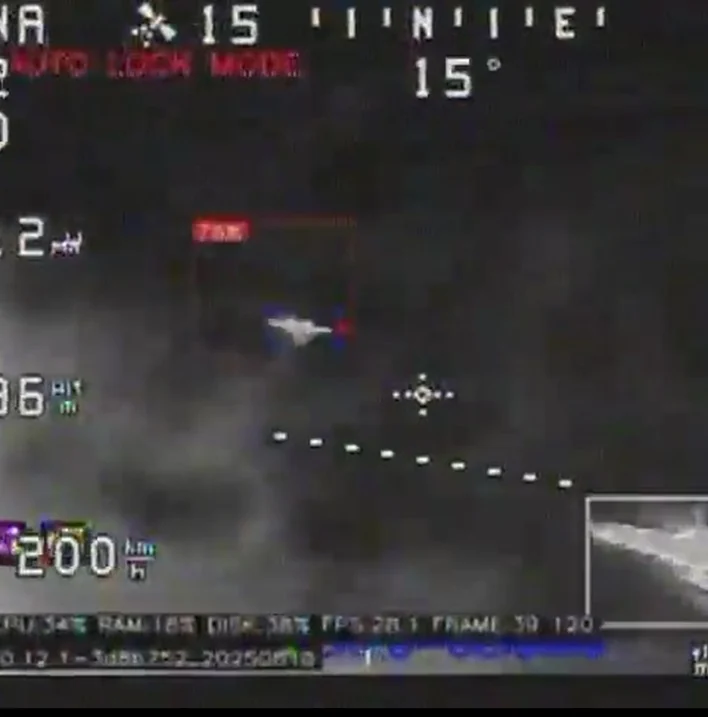
Thermal auto-lock
The onboard thermal view holding an aerial target in auto-lock mode during a development flight.
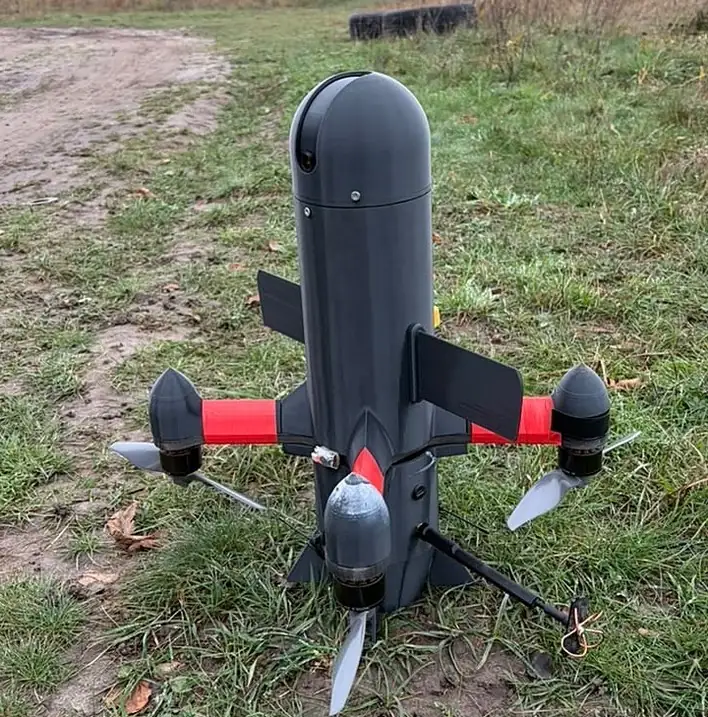
Before launch
The current build on open ground before a test flight, with no launcher or rail.
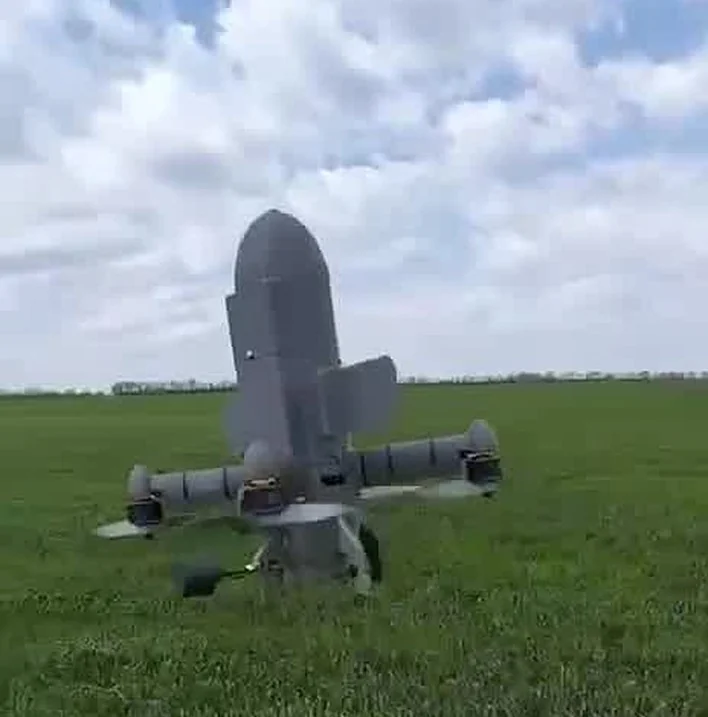
Vertical lift-off
Electric vertical take-off straight from open ground, under the operator’s command.
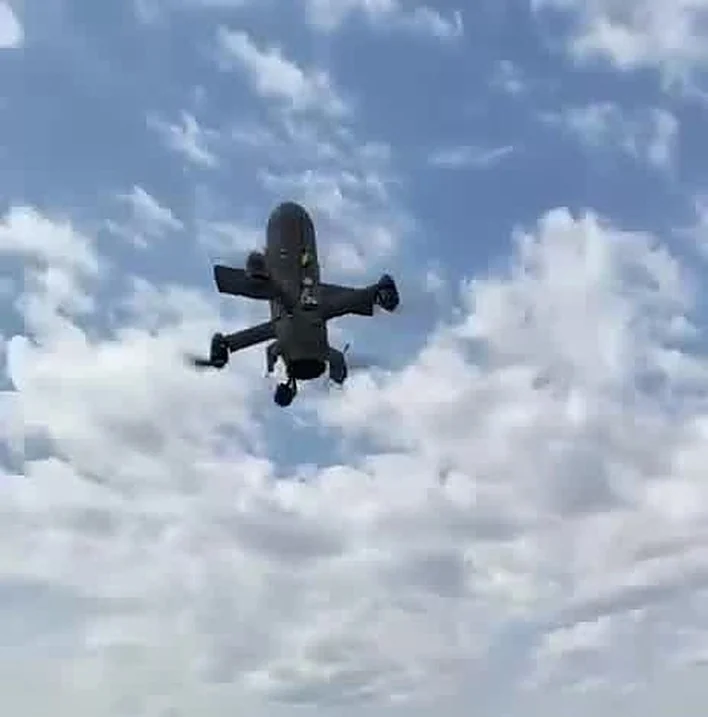
In flight
The same airframe in the air on a development test flight.
Stills from Iron Shield development flights and test video, not an operational engagement. Finish and arm colour differ between test builds.
Datasheet
INT-6 specification
Declared data for the current build.
- 3D radar and C2 integration through C++ and Python interfaces
- Autonomous intercept on live target telemetry
- Electric vertical take-off, no launcher or rail
- Onboard thermal auto-lock for the terminal phase
- Built to fly on when satellite navigation is denied
- Operator interface with sensor display, health and telemetry pages and audiovisual warnings
- Ground control station 3.5 kg; telemetry station 14 kg
- Qualified operator authorizes every engagement
Figures are declared data for the current build, subject to configuration and test-condition validation. Radar and C2 integration is configured and calibrated for each customer network and confirmed in the applicable specification and acceptance documentation. Supply, configuration and export are subject to export-control and end-use authorizations.
Where it fits
Choose the intercept model, not just the airframe.
INT-6 is intended for customers who operate, or plan to operate, a 3D air-defence radar and a command and control network, and need an interceptor that converts a radar track into an intercept without a pilot flying each sortie. It suits layered protection of deployed forces, fixed sites and critical infrastructure, where several threats may arrive within minutes and one ground station must run more than one engagement.
INT-5 · base of the line
Choose INT-5 when
The customer wants a lower-cost kinetic intercept: launched by the operator and guided onto the target by AI Pixel-Lock at up to 396 km/h.
INT-6 · next generation
Choose INT-6 when
The customer operates a 3D radar and C2 network and wants radar-fed autonomous intercepts at up to 450 km/h, thermal terminal lock, vertical take-off and up to four engagements from one ground station.
INT-6 gallery
The same aircraft, from every angle.
The vertical take-off airframe with day and thermal cameras and radar integration, shown in the current build.
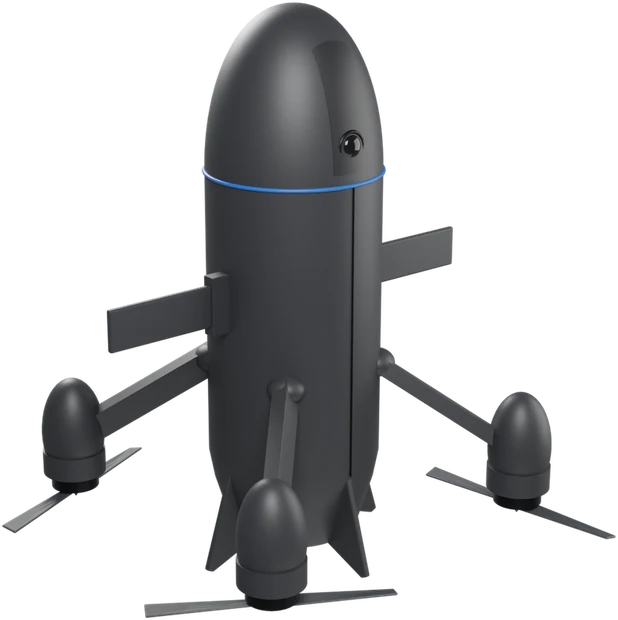
Ready for lift-off
Standing on its tail for electric vertical take-off, with no launcher or rail.
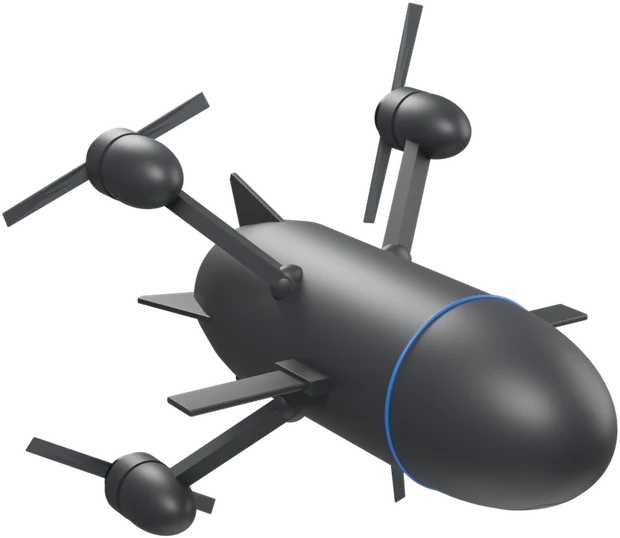
In flight, quarter
The airframe in a fast three-quarter flight attitude.
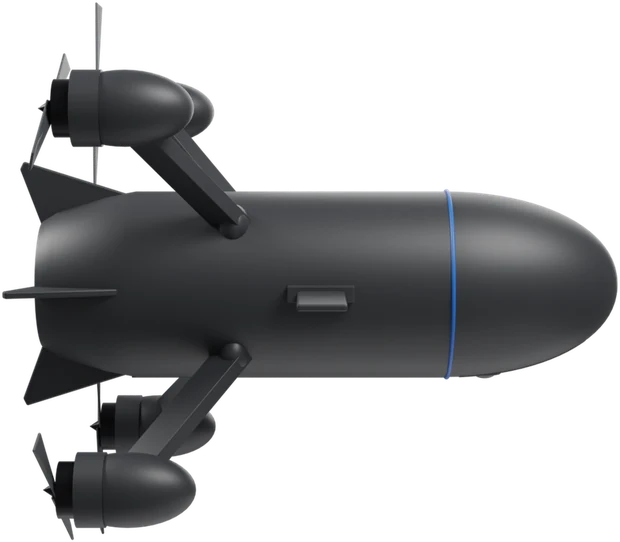
In flight, side
The streamlined body and rotor arms from the side.
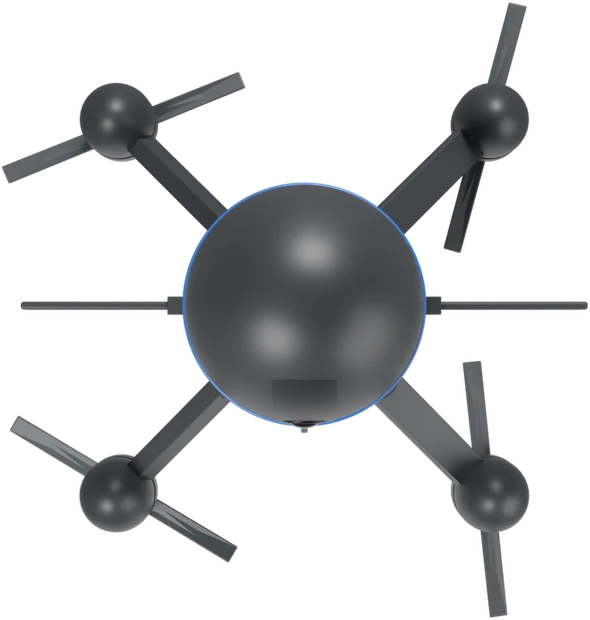
Top down
The four rotor arms and body from above.