

Iron Shield introduces resilient ground-control and airborne-relay architecture
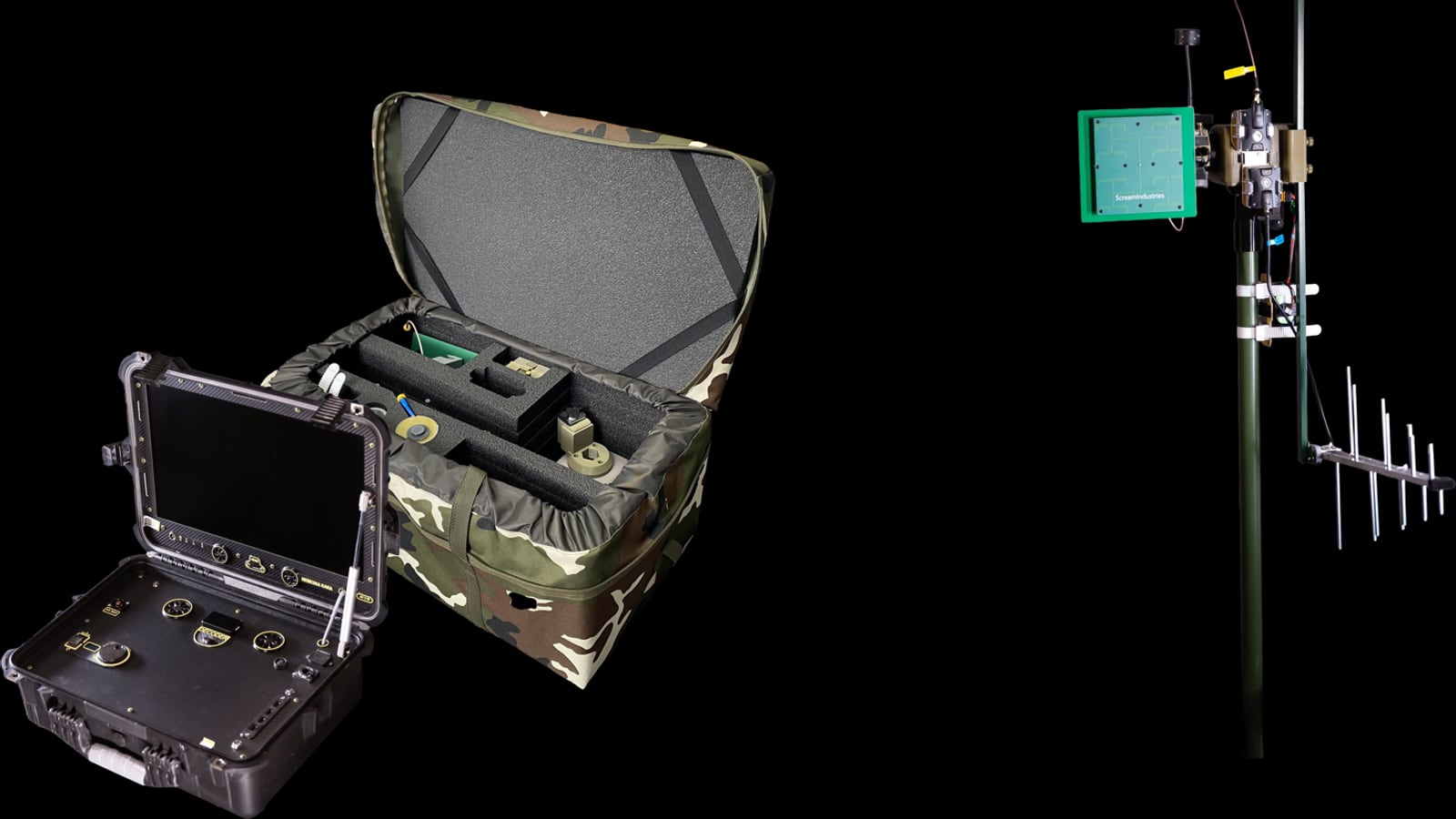
Iron Shield Systems has introduced the TBS, ERLS and S-Link ground-control and relay architecture, a Ukrainian-origin partner system designed to maintain command and full-motion video across difficult terrain, obstructed radio horizons and GPS-denied operating environments.
Iron Shield Systems has introduced the TBS, ERLS and S-Link ground-control and relay architecture, a Ukrainian-origin partner system designed to maintain command and full-motion video across difficult terrain, obstructed radio horizons and GPS-denied operating environments.
An autonomous aircraft or ground vehicle can only perform its mission while the operator maintains a dependable control and information link. Terrain may block conventional line-of-sight communications. Electronic warfare may disrupt radio-frequency channels. Satellite navigation may be jammed or spoofed.
The TBS, ERLS and S-Link system addresses these challenges through three connected elements: a portable ground-control console, a deployable antenna mast and an optically stabilized airborne relay.
The TBS ground station provides the operator with a portable command and video environment. The partner-published configuration includes a 19-inch display, an internal field battery providing up to 10 hours of operation, and support for digital or analog video. Compatible platforms may connect through conventional radio-frequency channels or fiber-optic links following platform-specific integration.
A deployable antenna mast raises the communications equipment above surrounding terrain, structures and vegetation. The mast can extend to approximately eight meters and folds into a transportable field configuration.
The airborne element uses a quadcopter relay to raise the control and video link beyond the conventional ground radio horizon. The published configuration provides up to 45 minutes of relay flight time and is designed to maintain connectivity at distances of 50 kilometers and beyond under applicable operating conditions.
Visual positioning allows the airborne relay to stabilize without depending on GPS or a magnetic compass. This is particularly important in electronically contested environments where satellite navigation cannot be assumed to remain available.
The system is reported to be operationally deployed in Ukraine through Iron Shield’s Ukrainian technology partners. Iron Shield is working toward future Canadian integration and potential licensed production, subject to definitive agreements, technical validation and regulatory approval.
Integration across the complete Iron Shield product family is progressive. The system should therefore be described as supporting compatible UAV and UGV platforms following platform-specific integration—not as already controlling every Iron Shield system.
Keep reading